


Cold weather tips and resources
When wintery weather moves into the area, it’s essential to prepare your home, family, and pets to stay safe and warm. Bluebonnet takes proactive steps to winterize our infrastructure and strengthen our cold-weather response plan. Below, you’ll find practical tips and resources to help you prepare and stay safe during winter weather events.
Outage reporting and alerts
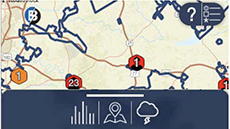
Members with a cell phone on file are automatically enrolled in Bluebonnet’s Outage Alerts text service. Once enrolled, you can text to 44141:
- OUT to report an outage using your smartphone.
- STATUS for an outage update.
- HELP for more information.
- STOP to opt out of Outage Alerts.
Tip: Save the number 44141 in your phone, perhaps as “Bluebonnet Outages.” Want to opt back in? Text BBOUTAGE to 44141.
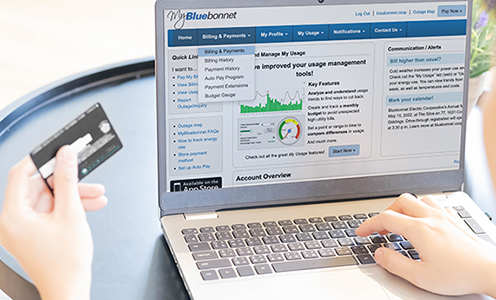
Use our MyBluebonnet mobile app for iPhone and Android smartphones and tablets.
Call 800-949-4414 from the number associated with your Bluebonnet account. If you're calling from a different number, leave a message with your name and address to report your power outage.
How to prepare for freezing cold
Stay ahead of the freezing temperatures with these essential preparation tips.
Open cabinet doors beneath sinks to allow warm air to circulate, especially on exterior walls. Insulate exposed pipes in garages, crawl spaces and under sinks and consider letting faucets drip slightly during hard freezes to help prevent pipes from freezing and bursting.
Use towels, blankets or draft stoppers to block cold air from sneaking in around doors and windows. Sealing drafts helps your home stay warmer, reduces strain on your heating system and can lower energy use during cold snaps.
Ensure pets are warm, dry and indoors during cold weather, especially overnight. If pets must go outside, limit their time outdoors and provide a sheltered, draft-free space with plenty of bedding and fresh, unfrozen water.
Move potted plants inside when temperatures drop, and cover outdoor plants with cloth or frost fabric to protect them from freezing. Be sure coverings reach the ground to trap warmth and remove them once temperatures rise.
Test heaters to be sure they’re working properly before cold weather sets in, and replace filters if needed. Make sure all fuel-burning heaters are vented correctly to prevent carbon monoxide buildup and keep your home safe.
Stay safe during winter weather
Charge cell phones and stock your emergency kit: Include food, water, blankets, batteries, chargers and other essential items.
Avoid carbon monoxide poisoning: Only use generators and grills outdoors and away from windows. Never heat your home with a gas stovetop or oven.
Stay off roads: Avoid travel if at all possible. If trapped in your car, stay inside to stay safe. Check road conditions at DriveTexas.org
Limit time outside:
- Wear layers of warm clothing if you must go outside.
- Watch for signs of frostbite (numbness, white or grayish skin) and hypothermia (shivering, confusion, slurred speech).
- Avoid overexertion: Reduce the risk of a heart attack by taking it easy when shoveling ice/snow or walking in icy conditions.
- Find warming shelters near you through Texas Division of Emergency Management (TDEM)
Safety reminders
Your safety is our priority. Follow these guidelines during winter weather events:
-
Downed power lines: Stay at least 35 feet away and report them to 800-949-4414. Treat all downed lines as energized.
-
Portable generators: Only use in well-ventilated areas and never indoors or in garages to avoid carbon monoxide poisoning.
-
Space heaters: Use heaters with automatic shut-off features. Keep them three feet away from flammable items and never leave them unattended.
-
Preserve food: Keep freezer and refrigerator doors closed to maintain food freshness during outages.
-
Carbon monoxide (CO) poisoning: Symptoms include headaches, dizziness and nausea. If suspected, move to fresh air immediately and call 911.
Local warming shelters
The Texas Division of Emergency Management updates a list of available shelters across the state of Texas every hour. If you or someone you know needs a warm place to stay during extreme cold weather, visit tdem.texas.gov/warm to find an available shelter near you. Here are some local options:
Three Rivers Community Church, 103 Main St., Martindale
Old Lytton Springs Church, 8440 FM 1854, Dale
Uhland Catholic Church, 80 S. Spanish Trl., Uhland
Manor City Hall, 105 E. Eggleston St., Manor
American Legion Hall, Hwy. 77, Giddings
During an outage
Keep refrigerator and freezer doors closed
- A closed refrigerator can keep food cold for about 4 hours without power.
- A fully stocked freezer will maintain its temperature for about 48 hours if left unopened.
After power is restored
- Cook meat, poultry, seafood, milk and eggs to their safe minimum internal temperatures before consuming.
- If you suspect these foods were above 40°F for an extended period, discard them to avoid potential foodborne illness.
Not sure what’s safe? Some foods may still be safe even if they reached above 40°F. Check this handy chart from FoodSafety.gov for guidance.
During extremely cold temperatures, restoring power must be done slowly and incrementally to ensure safety and grid stability. Taking these simple steps can help protect your electronics and support a smoother restoration process.
Unplug and turn off electronics
- When your power goes out, unplug devices to prevent potential damage from power surges during restoration. This also helps ease the restoration process.
- Wait a few minutes after power is restored before plugging devices back in, allowing electricity to stabilize.
Use surge protectors, not power strips
- Surge protectors guard against unexpected voltage spikes, while power strips only provide extra outlets without surge protection.
- Invest in high-quality surge protectors designed to "sacrifice" themselves to protect your electronics during a surge.
Understanding power surges
- Restoration surges occur when power lines are re-energized and can briefly exceed safe voltage levels.
- Internal surges are more common and can happen when large appliances, like air conditioners, create sudden power demands.
- If your power is blinking on and off, report this as a power outage using one of our four methods.
Plan ahead
- Unplug electronics before severe weather hits to prevent damage from lightning or restoration surges.
- You’ll receive a text notification when your power is restored.
Stay warm during a power outage in cold weather
- Dress in layers: Wear multiple layers of light clothing instead of one heavy layer, including hats and mittens.
- Insulate your home: Close curtains, blinds and cover windows with blankets to minimize heat loss. Avoid opening doors to keep the warm air in.
- Stay in one room: Gather everyone in a single room with the door closed to maintain body heat.
- Use alternative heat sources: If possible, use a fireplace, wood-burning stove or a portable propane heater with proper ventilation. Prevent carbon monoxide poisoning: Never use gas grills, charcoal or propane heaters indoors.
A home can generally stay warm for around eight to 12 hours after losing power, depending on the weather conditions and how well insulated your house is insulated. If you or someone you know needs a warm place to stay during extreme cold weather, visit tdem.texas.gov/warm